
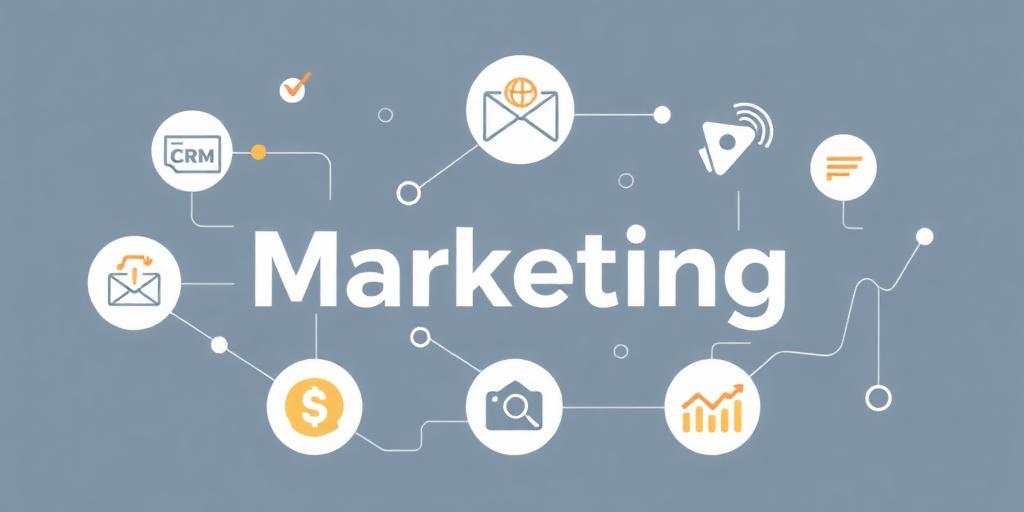
Connecting Your Marketing Tools for Better Data
In today's data-driven marketing landscape, the ability to collect, analyze, and act upon data is crucial for success. However, many marketers struggle with fragmented data sources, leading to incomplete insights and missed opportunities. Connecting your marketing tools can create a unified view of your customer interactions, providing a more comprehensive understanding of their behavior and preferences.
Why Connect Your Marketing Tools?
Connecting your marketing tools offers numerous benefits:
- Improved Data Accuracy: By integrating your tools, you can eliminate data silos and ensure consistent data across all platforms.
- Enhanced Customer Insights: A unified view of customer data enables you to understand your customers better, personalize your marketing efforts, and improve customer experiences.
- Streamlined Workflows: Connecting your tools automates data sharing and reduces manual data entry, saving time and improving efficiency.
- Better Decision-Making: With access to comprehensive and accurate data, you can make more informed decisions about your marketing strategies and resource allocation.
- Increased ROI: By optimizing your marketing efforts based on data-driven insights, you can increase your return on investment.
How to Connect Your Marketing Tools
There are several ways to connect your marketing tools:
- Native Integrations: Many marketing tools offer native integrations with other popular platforms. These integrations are typically easy to set up and provide seamless data sharing.
- Third-Party Integration Platforms: Integration platforms like Zapier and Integromat allow you to connect various marketing tools without coding. These platforms offer pre-built integrations and customizable workflows.
- APIs: If you have technical expertise, you can use APIs (Application Programming Interfaces) to build custom integrations between your marketing tools. APIs provide the most flexibility but require more technical knowledge.
Key Marketing Tools to Connect
Here are some essential marketing tools to consider connecting:
- CRM (Customer Relationship Management): Integrate your CRM with your marketing automation platform, email marketing tool, and social media platforms to get a 360-degree view of your customers.
- Marketing Automation Platform: Connect your marketing automation platform with your CRM, email marketing tool, and advertising platforms to automate marketing tasks and personalize customer journeys.
- Email Marketing Tool: Integrate your email marketing tool with your CRM and marketing automation platform to send targeted emails and track campaign performance.
- Social Media Platforms: Connect your social media platforms with your CRM and marketing automation platform to track social media engagement and personalize social media marketing efforts.
- Analytics Platform: Integrate your analytics platform with all your marketing tools to track website traffic, user behavior, and campaign performance.
Best Practices for Connecting Your Marketing Tools
To ensure a successful integration, follow these best practices:
- Plan Your Integration: Before connecting your tools, define your goals and identify the data you need to share between platforms.
- Choose the Right Integration Method: Select the integration method that best suits your technical expertise and budget.
- Test Your Integration: After connecting your tools, test the integration to ensure data is flowing correctly.
- Monitor Your Integration: Regularly monitor your integration to identify and resolve any issues.
- Maintain Data Quality: Ensure that your data is clean and accurate before and after the integration.
Conclusion
Connecting your marketing tools is essential for creating a unified view of your customer interactions and improving your marketing performance. By following the steps outlined in this post, you can connect your tools, gain valuable insights, and drive better results.


