
Creating Content Clusters: An Advanced SEO Strategy
In the ever-evolving landscape of Search Engine Optimization (SEO), staying ahead requires implementing advanced strategies that cater to both search engine algorithms and user intent. One such strategy is creating content clusters. This approach not only enhances your website's structure but also improves its authority and relevance in specific subject areas.
What are Content Clusters?
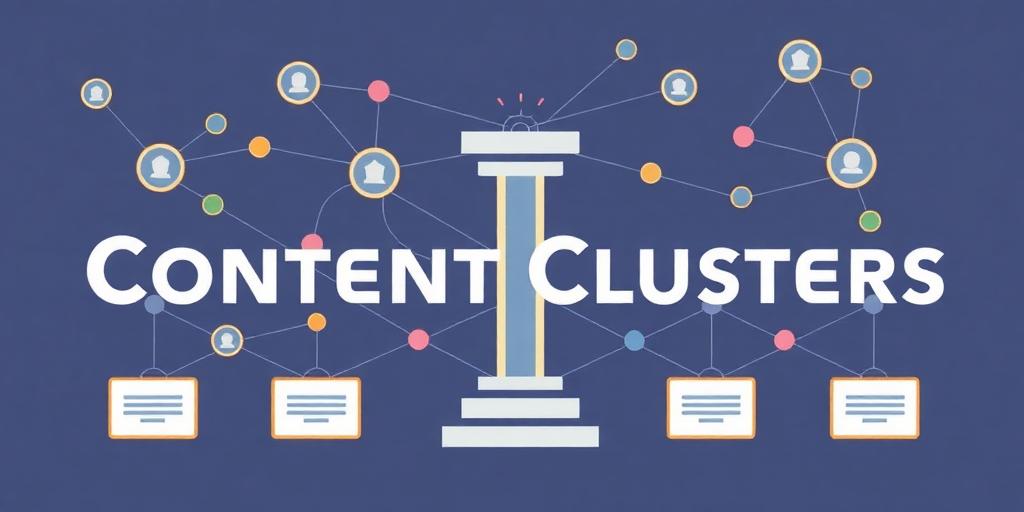
Content clusters, also known as topic clusters, are a way of organizing website content around a central theme. A typical content cluster consists of:
- Pillar Content: A comprehensive, high-level overview of a core topic.
- Cluster Content: Related subtopics that dive deeper into specific aspects of the pillar content.
- Hyperlinks: Strategic links between the pillar content and cluster content to establish topical relevance.
Why Use Content Clusters?
Improved SEO Performance:
- By linking related content, you signal to search engines that your website is an authority on the topic.
- Internal linking improves crawlability, allowing search engines to index your content more efficiently.
- Content clusters help target a wider range of keywords, increasing organic traffic.
Enhanced User Experience:
- Visitors can easily navigate through related content, finding comprehensive information on a specific topic.
- This structure keeps users engaged on your site for longer, reducing bounce rates and increasing dwell time.
Better Content Organization:
- Content clusters provide a clear structure for your website, making it easier to plan and manage content.
- This organization helps avoid keyword cannibalization, ensuring each piece of content targets a specific search query.
How to Create Content Clusters
Keyword Research:
- Identify a broad topic relevant to your business and audience. This will be your pillar content's focus.
- Use keyword research tools to find related subtopics and long-tail keywords for your cluster content.
Pillar Content Creation:
- Develop a comprehensive guide or overview of the main topic.
- Cover all essential aspects without going into excessive detail.
- Optimize for a high-volume, broad keyword.
Cluster Content Creation:
- Create in-depth articles or blog posts that explore specific subtopics related to the pillar content.
- Optimize each piece of cluster content for a specific long-tail keyword.
Internal Linking Strategy:
- Link each piece of cluster content back to the pillar content.
- Include links from the pillar content to the relevant cluster content.
- Ensure the anchor text is relevant and descriptive.
Monitor and Update:
- Track the performance of your content clusters using analytics tools.
- Update content regularly to keep it fresh and relevant.
- Adjust your strategy based on performance data and changing search trends.
Best Practices for Content Clusters
- Relevance: Ensure all cluster content is directly related to the pillar content.
- Quality: Create high-quality, valuable content that satisfies user intent.
- User Experience: Design your website for easy navigation and readability.
- Consistency: Regularly publish new content to expand your content clusters.
Examples of Content Clusters
Let's consider an example using the topic of "Digital Marketing."
- Pillar Content: A comprehensive guide on "What is Digital Marketing?"
- Cluster Content:
- "SEO for Beginners: A Step-by-Step Guide"
- "The Ultimate Guide to Social Media Marketing"
- "Email Marketing Strategies That Convert"
- "PPC Advertising: A Comprehensive Overview"
Each of these cluster content pieces would link back to the main "Digital Marketing" pillar page, creating a cohesive and informative cluster.
Conclusion
Creating content clusters is an advanced SEO strategy that can significantly improve your website's search engine rankings and user experience. By organizing your content around central themes and implementing a robust internal linking strategy, you can establish your website as an authority in your industry and attract more organic traffic. Embrace content clusters to take your SEO efforts to the next level and achieve sustainable online success. By following these guidelines, you can effectively implement content clusters and stay ahead in the competitive world of SEO.


