
In today's digital landscape, businesses often juggle multiple channels to connect with their audience. Understanding the difference between omnichannel and multichannel strategies is crucial for optimizing customer experience and achieving marketing goals. While both approaches involve using various channels, their integration and focus differ significantly.
Multichannel: A Channel-Centric Approach
Multichannel marketing involves using multiple platforms to reach customers, such as email, social media, websites, and physical stores. However, these channels operate largely in silos, with limited integration between them. The customer experience can feel disjointed, as interactions on one channel don't necessarily inform or influence interactions on another.
Examples of Multichannel Marketing:
- A retailer sends email promotions, maintains a Facebook page, and operates a brick-and-mortar store, but these channels function independently.
- A customer service department uses phone, email, and chat support, without a unified view of customer interactions across these channels.
Omnichannel: A Customer-Centric Approach
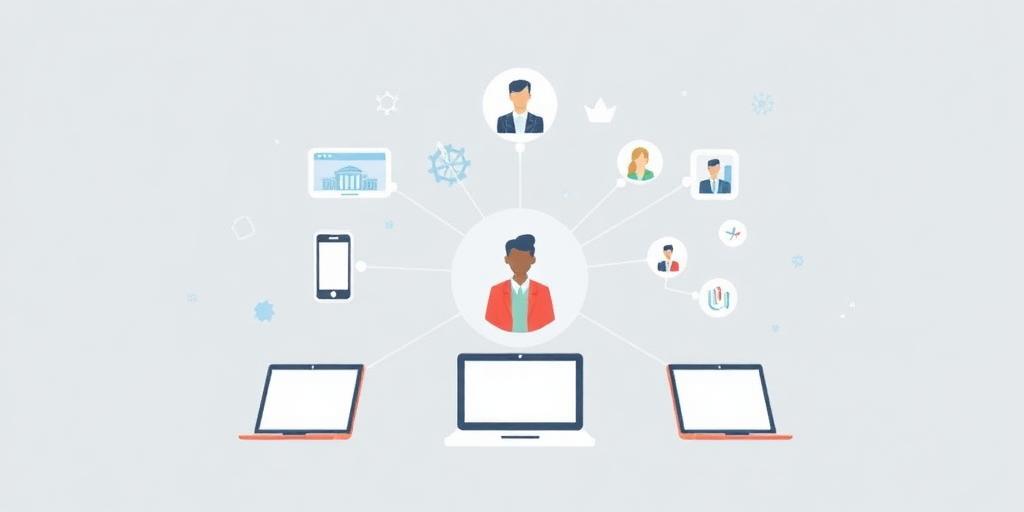
Omnichannel marketing, on the other hand, provides a seamless and integrated customer experience across all channels and devices. It recognizes that customers may start their journey on one channel and continue on another. The goal is to provide a consistent and personalized experience, regardless of how the customer interacts with the brand.
Examples of Omnichannel Marketing:
- A customer researches a product on a company's website, adds it to their cart, and then completes the purchase through a mobile app. They later receive personalized product recommendations via email based on their browsing history.
- A customer initiates a chat with customer support on a company's website and then seamlessly transitions to a phone call with the same agent, who has access to the entire chat history.
Key Differences Summarized:
| Feature | Multichannel | Omnichannel | | :--------------- | :------------------------------------------- | :------------------------------------------------- | | Focus | Channels | Customer | | Integration | Limited | Seamless and Integrated | | Experience | Disjointed, inconsistent | Consistent, personalized, contextual | | Data Sharing | Siloed | Unified, shared across channels | | Goal | Reach customers on multiple platforms | Provide a holistic and customer-centric experience |
Benefits of an Omnichannel Strategy:
- Improved Customer Experience: A seamless and consistent experience across all touchpoints increases customer satisfaction and loyalty.
- Increased Engagement: Personalized and relevant interactions drive higher engagement rates.
- Higher Conversion Rates: A streamlined purchasing process and targeted offers lead to increased sales.
- Enhanced Brand Perception: A cohesive brand presence across all channels strengthens brand awareness and reputation.
- Better Data Insights: Unified data provides a comprehensive view of customer behavior, enabling more effective marketing strategies.
Implementing an Omnichannel Strategy:
- Understand Your Customer: Map out the customer journey and identify key touchpoints.
- Integrate Your Systems: Connect your CRM, marketing automation, and other systems to share data across channels.
- Personalize Your Messaging: Use customer data to tailor your messaging and offers.
- Optimize for Mobile: Ensure a seamless experience on mobile devices.
- Measure and Analyze: Track key metrics to evaluate the effectiveness of your strategy and make adjustments as needed.
Conclusion:
While both multichannel and omnichannel strategies involve using multiple channels, omnichannel marketing offers a more integrated and customer-centric approach. By providing a seamless and personalized experience across all touchpoints, businesses can enhance customer satisfaction, drive engagement, and achieve better results.


