
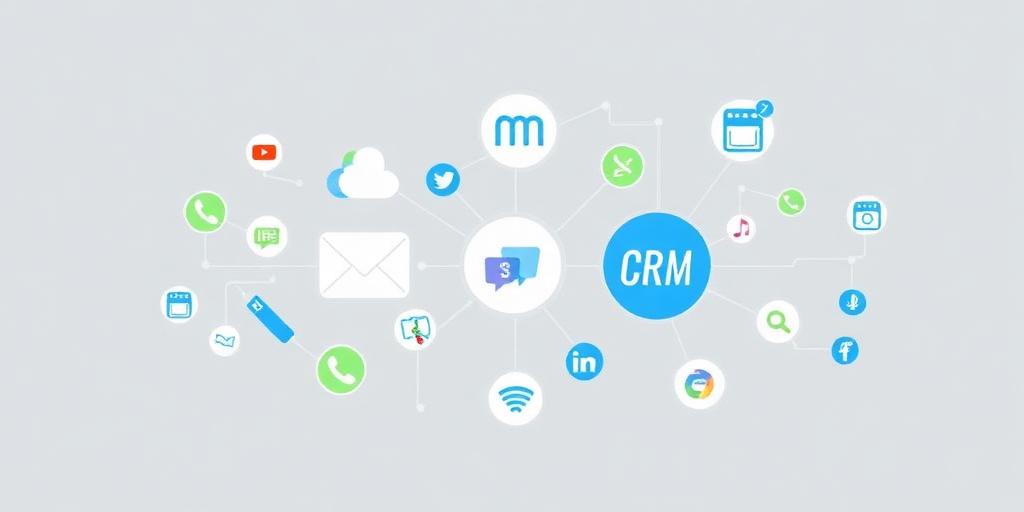
Customer Relationship Management (CRM) and Social Media: A Synergistic Approach
In today's digital landscape, Customer Relationship Management (CRM) and social media are two critical components for business success. When strategically integrated, they can create a powerful synergy that enhances customer engagement, improves data insights, and drives revenue growth. This post explores how CRM and social media can work together to optimize your business strategies.
Understanding CRM
CRM systems are designed to manage and analyze customer interactions and data throughout the customer lifecycle. The goal is to improve business relationships, assist in customer retention, and drive sales growth. CRM software consolidates customer information from various channels, providing a comprehensive view of each customer.
Key features of a CRM system include:
- Contact Management: Storing and organizing customer contact details.
- Sales Force Automation: Streamlining the sales process from lead generation to closing deals.
- Marketing Automation: Automating marketing tasks such as email campaigns and lead nurturing.
- Customer Service: Managing customer inquiries and support tickets.
- Analytics and Reporting: Providing insights into customer behavior and business performance.
The Power of Social Media
Social media platforms have become essential tools for businesses to connect with their audience, build brand awareness, and gather valuable customer feedback. With billions of users worldwide, social media offers unparalleled opportunities for engagement and market research.
Key benefits of social media for business include:
- Brand Awareness: Increasing visibility and recognition.
- Customer Engagement: Interacting with customers and building relationships.
- Lead Generation: Attracting potential customers through targeted campaigns.
- Market Research: Gathering insights into customer preferences and trends.
- Customer Support: Providing quick and efficient support through social channels.
Integrating CRM and Social Media
The integration of CRM and social media can provide a 360-degree view of the customer, enabling businesses to deliver personalized experiences and build stronger relationships. Here’s how to effectively integrate these two powerful tools:
Centralized Customer Data:
- Benefit: By integrating social media data into your CRM, you can consolidate all customer interactions and information in one place.
- Implementation: Use CRM systems that offer social media integration capabilities to capture data from platforms like Facebook, Twitter, LinkedIn, and Instagram.
Enhanced Customer Insights:
- Benefit: Social media data provides valuable insights into customer behavior, preferences, and sentiment.
- Implementation: Monitor social media conversations, analyze customer feedback, and use social listening tools to identify trends and pain points. Use this data to enrich customer profiles in your CRM.
Personalized Customer Engagement:
- Benefit: Understanding your customers better allows you to deliver personalized content and offers.
- Implementation: Use CRM data to segment your audience and tailor your social media messaging. Automate personalized responses to customer inquiries and comments on social media.
Improved Lead Generation:
- Benefit: Social media can be a powerful source of leads when integrated with your CRM.
- Implementation: Capture leads from social media campaigns and automatically add them to your CRM. Nurture these leads with targeted content and offers based on their social media activity.
Streamlined Customer Support:
- Benefit: Providing customer support through social media can improve customer satisfaction and loyalty.
- Implementation: Integrate your CRM with social media to track and manage customer inquiries and support tickets. Use social listening to identify and address customer issues proactively.
Best Practices for Integration
To maximize the benefits of integrating CRM and social media, consider the following best practices:
- Choose the Right Tools: Select CRM and social media management tools that offer seamless integration capabilities.
- Define Clear Goals: Establish specific objectives for your integration, such as improving customer engagement, increasing lead generation, or enhancing customer support.
- Train Your Team: Ensure that your team is trained on how to use the integrated system effectively.
- Monitor and Analyze Results: Regularly track key metrics and analyze the results of your integration to identify areas for improvement.
- Maintain Data Privacy: Comply with data privacy regulations and protect customer data.
Conclusion
Integrating CRM and social media is a strategic imperative for businesses looking to enhance customer relationships, improve data insights, and drive revenue growth. By centralizing customer data, gaining deeper insights, personalizing engagement, improving lead generation, and streamlining customer support, businesses can create a competitive advantage in today's digital age. Embracing this synergy can lead to more effective marketing strategies, improved customer satisfaction, and ultimately, greater business success.


